A Century of
Foundational Black
American Cultural Creation —
and the economic record
built around it.
Four volumes documenting an estimated $6.15 trillion in economic activity and asset value across music, visual culture, language, sport, and the digital economy — and tracing the extraction inside that value mechanism by mechanism: the contract, the split, the catalog, the platform, the sale.
I
Black American Musical Genius
and the Economics of Extraction
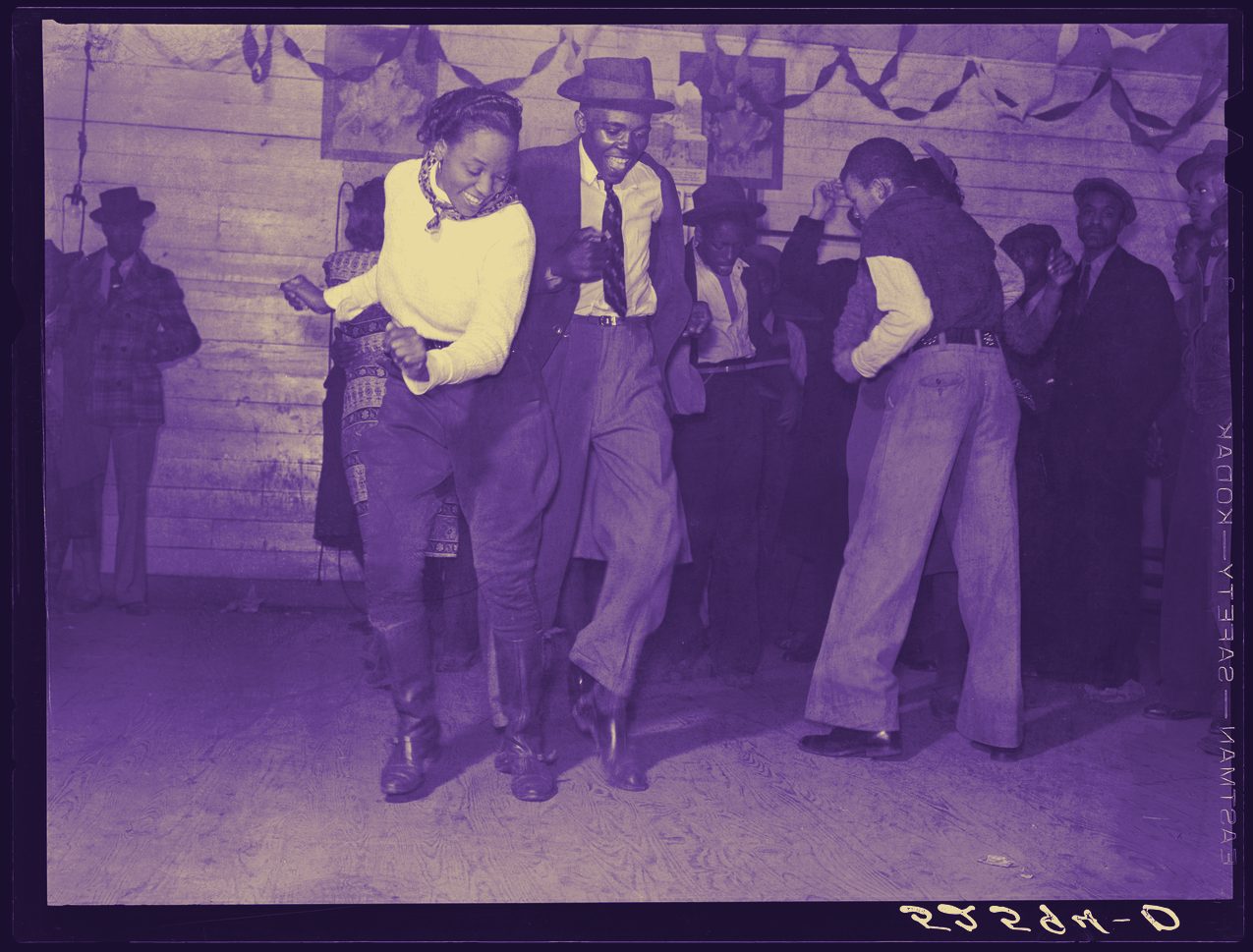
What's inside Volume I
69 pages of documented economic history — new expanded edition, July 2026. Every claim is sourced. Every number is traceable. And the book now reads in color: creators and owners in purple and gold, the extraction side in red. Once you see the pattern, you can't unsee it.
-
I
The Full Ecosystem The $1.35 trillion breakdown across all 12 sectors — how they connect and how value flows through each.
-
II
Sector by Sector — 12 Chapters Recorded Music, Rock & Roll, Fashion, Publishing, Streaming, Live Performance, Dance & House, Film/TV, Sports, Broadway, Video Games, Gospel.
-
III
The Mechanisms The Advance Trap. The Recoupment Cycle. The Publishing Grab. The 360 Deal. The Gatekeeper Economy. And the exit: the P&D Deal that proved the machine can be left.
-
IV
Six Artist Case Studies TLC. Little Richard. Prince. Anita Baker. Michael Jackson. James Brown. Six eras. One unbroken pattern.
-
V
The Road Forward Opens with “Don't You Sell It” — the LaFace cautionary tale — then a century of Black ownership from Black Swan to Cash Money, and the infrastructure imperative: distribution, venues, publishing, streaming.
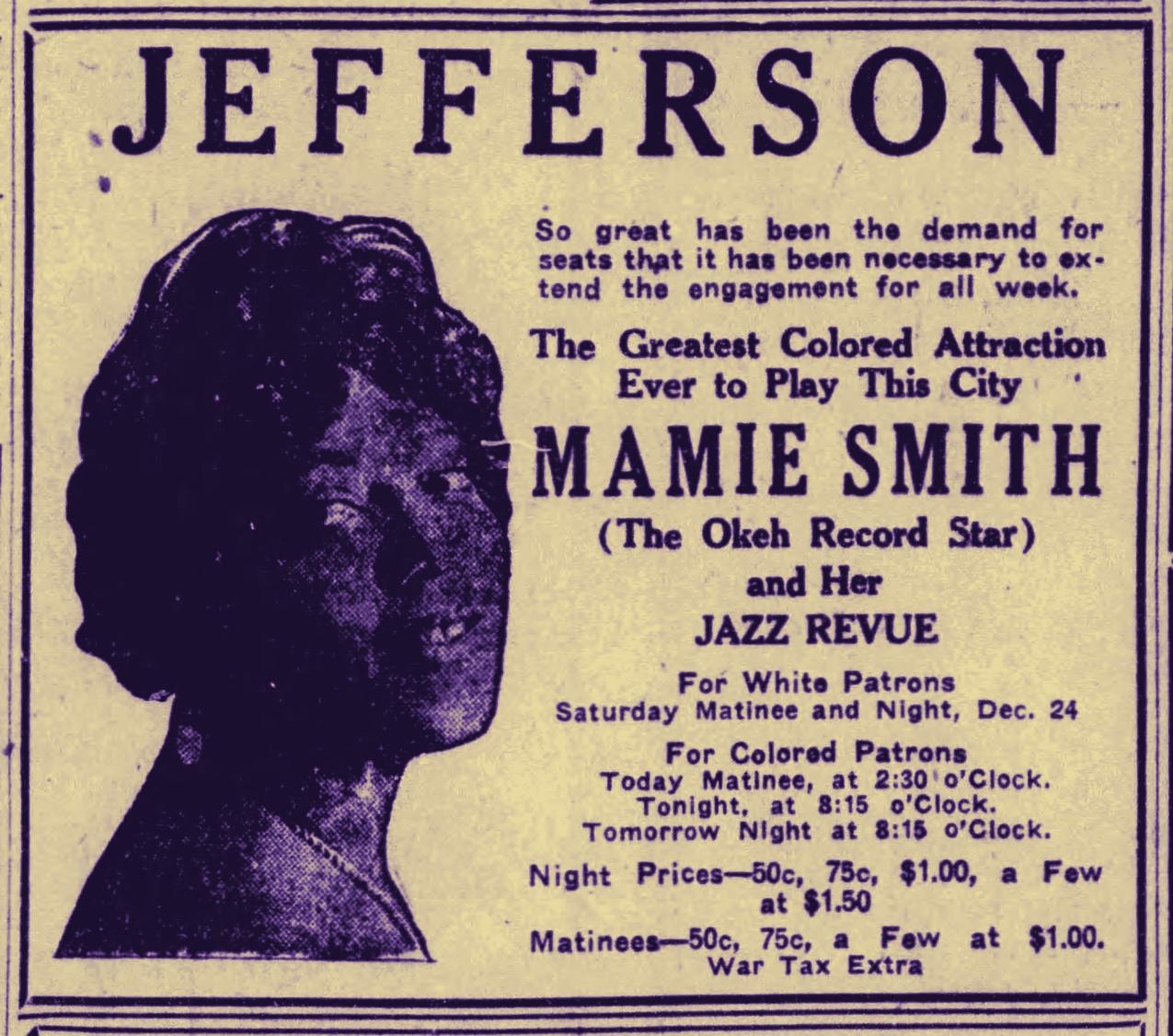
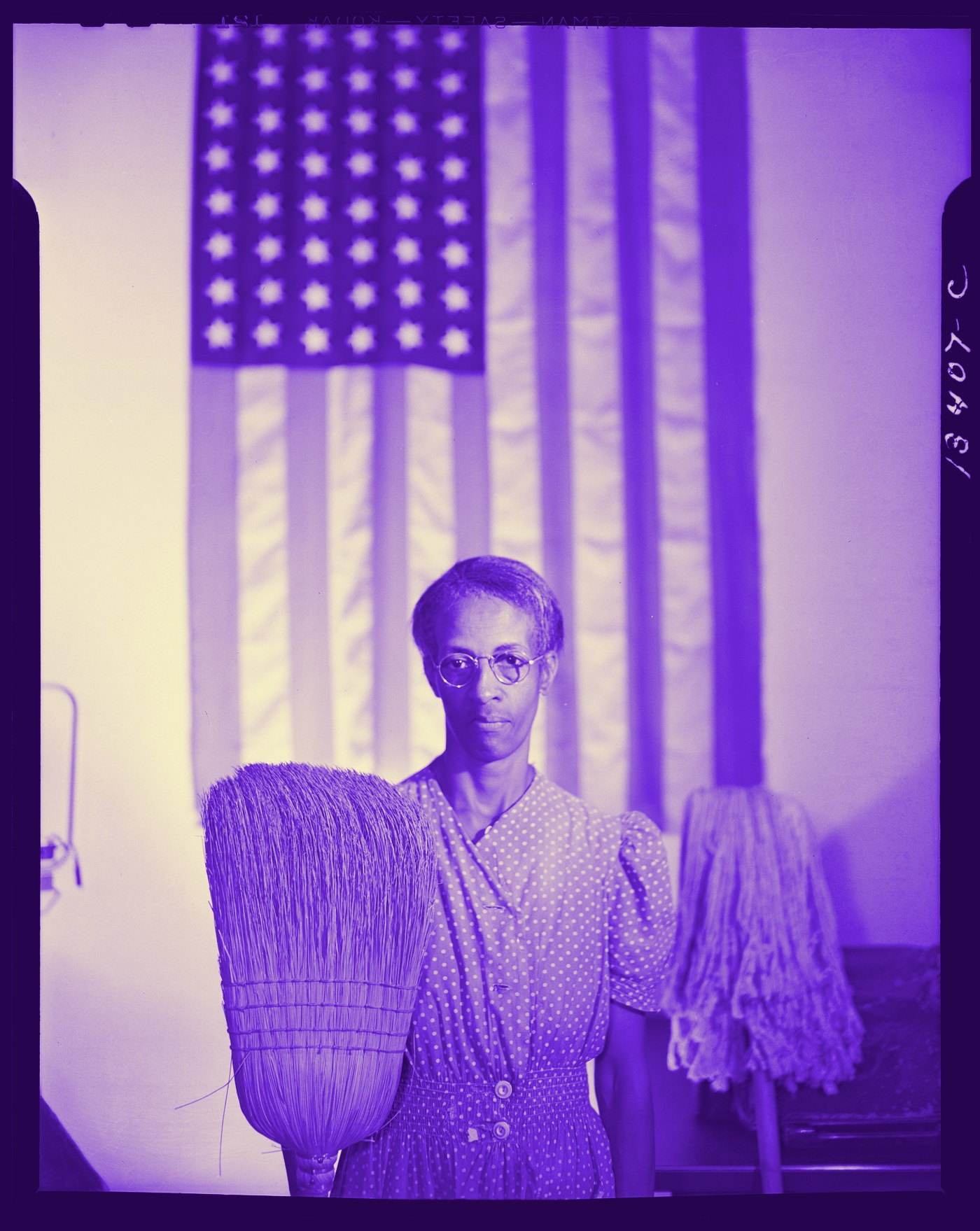
Visual Culture
Film. Television. Fashion. Photography. Beauty. Comedy. Visual aesthetic appropriation. Eleven industries. Seven case studies. The same extraction pattern — applied to every visual domain FBA built.

Language & Sport
The franchise model. AAVE in advertising. NIL and a century of foregone earnings. Eight sectors. Six case studies. How FBA vernacular and athletic style became the marketing infrastructure of global brands.
The Digital Economy
Short-form video. The influencer economy. Algorithmic suppression. AI training data. Eight sectors. Six case studies. The largest extraction in history — and the most current.
All four volumes.
One price.
All four volumes documented. $6.15 trillion. 36 industries. 25 case studies. Music, visual culture, language, sport, and the digital economy — the complete record.
Save $20
Record
12 music sectors
Culture
11 visual sectors
& Sport
Slang to sports
Economy
AI & algorithms
Foundational Black Americans generate the most.
Foundational Black Americans retain the least.
Cultural production compared across five groups — total value generated globally versus percentage retained in community-controlled ownership structures. The retention rate is not an aesthetic measurement. It is a structural one.
Gold = value held in ownership structures controlled by the originating community. Red = value captured by external interests. Retention percentage shown above each bar. All figures are order-of-magnitude estimates. Documented in The Souled Out Papers, Volume II: Visual Culture.
"It's not a time for reform.
It's a time for reconstruction."
— BELOVED ONE · THE SOULED OUT PAPERS
The data, made interactive
Three tools built to go deeper than any report page can. All free. All open. All built on the same data.
FBA Culture as
National Treasure
Try to find a public-domain photograph of hip-hop. You can't. Every image of the culture — the party flyers, the photographs, the film — is held by archives and institutions outside the community that created it. That is the thesis of this series in miniature: the culture is valuable enough to collect, license, and gatekeep — but not, so far, to formally protect or compensate.
This position paper makes the case the government has already half-conceded: the State Department deployed jazz as “America's secret weapon” in 1956. The Smithsonian built a museum for the culture. The Library of Congress archives its recordings. What has never followed is protection — so this paper lays out the framework: formal National Heritage designation, UNESCO ratification, IP reform, and an archive compensation structure that pays licensing revenue back to the community that created the work.
Teach the record.
Build the next institutions.
This is not a book that asks to be believed. It asks to be tested. The instructor guide turns Volume I into a four-week undergraduate unit — history, music business, economics, and law — where students verify the book's claims against primary sources, diagram how a streaming dollar actually moves, and negotiate the contracts that moved ownership away from creators. It ends where the book ends: students design a Black-owned music institution their own campus could pilot — with an anti-extraction safeguard and a succession plan.
Inside: four 75-minute core lessons, four extension seminars, three graded assignments with full 100-point rubrics, an ethical protocol for teaching racist archival material, printable worksheets, and a primary-source packet drawn from the Library of Congress, the U.S. Copyright Office, and the Department of Justice. Built for the 69-page Design Edition of Volume I.
All four volumes available now.
The complete record.
Four volumes. Each is a standalone document. Together they document $6.15 trillion extracted from FBA cultural creation across music, visual culture, language, sport, and the digital economy. The series is complete.
Join the mailing list
Be first to receive new volumes, research updates, new tools, and the data behind the data — as it publishes.